


Shipping from China to the Middle East: How to Compare Options and Prices
When you begin your journey of importing from China to Middle Eastern countries, one of the biggest challenges you face is finding a reliable shipping company that offers exceptional services at competitive prices. Shipping is more than just transporting

Short answer: shipping from China to Middle Eastern countries is done by sea, air or land depending on the destination, and the right choice depends on cargo volume, value and when you need it. Compare quotes from several forwarders on final landed cost, not freight alone, because extra charges can change the ranking.
Main shipping options
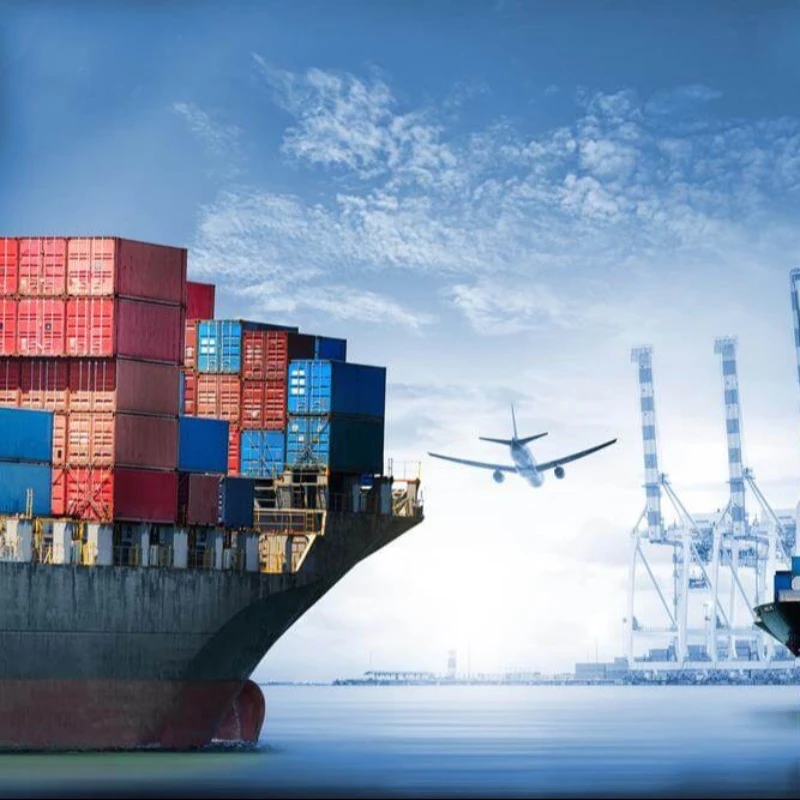
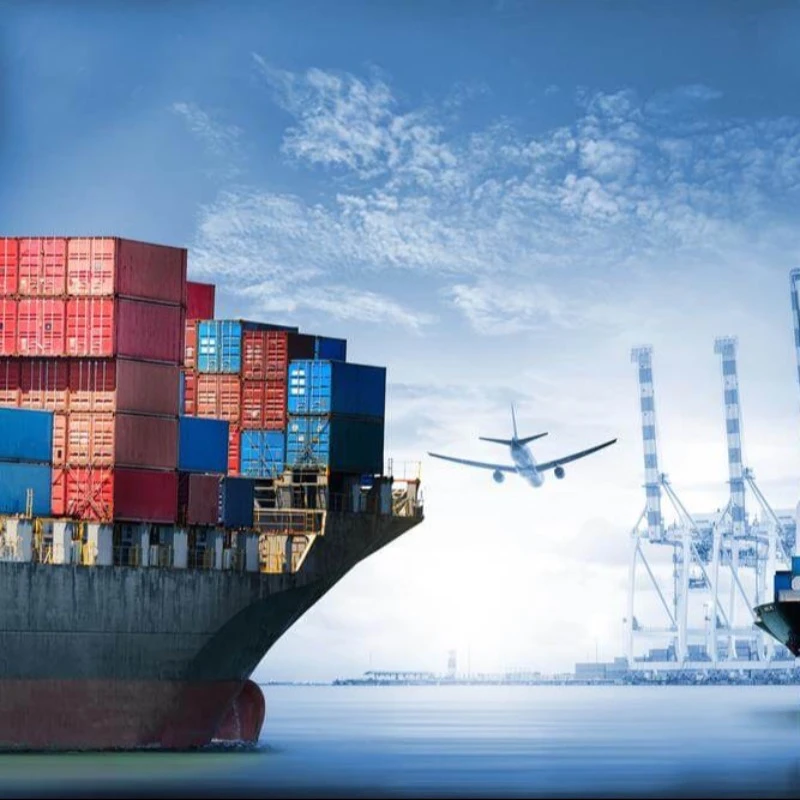
Sea freight: Best for large, heavy cargo and usually cheaper but slower. Available as LCL (shared) or FCL (full container).
Air freight: Faster and costlier; suits light, urgent or high-value goods.
Land freight: Available for some destinations and routes; transit time and cost depend on borders and transit. Ask the forwarder about your specific destination.
What determines the freight price?
Cargo weight and volume; air freight is usually charged on the greater of actual and volumetric weight.
Loading port, destination port and the distance between them.
Cargo type, and whether it needs special handling.
Season and space availability on vessels or aircraft.
Insurance, handling, customs clearance and inland transport.
How to compare forwarder quotes
Ask for written quotes using identical shipment details.
Confirm the destination port and expected transit time.
Ask what the price includes: origin charges, destination charges, clearance, insurance, delivery to your warehouse.
Compare the final landed cost per unit, not just freight.
Ask about tracking and who to contact if there is a delay.
Documents you usually need
Commercial invoice and packing list.
Bill of lading or air waybill.
Certificate of origin or conformity certificates if your authorities require them.
The HS code of the goods.
Import requirements vary by country, so confirm your country's rules with customs or a customs broker before shipping.
Common mistakes
Choosing the cheapest quote without reading what it excludes.
Misestimating volume or weight, so the cost changes on receipt.
Shipping without checking import rules for the product in your country.
Not insuring high-value cargo.
Common arrival ports in the region
Destinations in the Middle East are varied, and well-known ports receiving containers from China include Jebel Ali and Khalifa in the UAE, Dammam and Jeddah in Saudi Arabia, Hamad in Qatar, Shuwaikh in Kuwait, and Sohar and Salalah in Oman. Choosing the port closest to your warehouse or market may cut inland transport cost, but rates and transit times vary with the shipping line and sailing availability, so ask about more than one arrival port and request a quote for each.
Common clearance documents
Requirements differ between countries, but the commercial invoice, packing list and bill of lading are generally requested; a certificate of origin and conformity certificates may be required for some products, and a customs declaration is prepared by the broker. Check current requirements with your customs authority, since some products need prior approval or pre-shipment inspection, and rules change from time to time.
Example decision paths
A non-urgent 4 CBM shipment: request a sea LCL quote and compare it with a 20ft container if your volumes are likely to grow.
An urgent 80 kg shipment: request one air and one express quote and compare price and time.
An 18-tonne shipment: probably a full container; check the weight limits at the destination.
Goods requiring certificates: verify import requirements before ordering from the supplier.
Mistakes that add cost
Declaring a lower value on the invoice, which can bring penalties and seizure.
Company names that do not match between the invoice and the bill of lading.
Delay collecting the container from the port, so demurrage and storage accumulate.
Not agreeing who pays the arrival charges.
Goods that need special attention before shipping
Some categories do not ship like other goods and may require certificates, approvals or special packing. Examples include batteries and devices containing lithium batteries; liquids, perfumes and cosmetics; food and supplements; medicines and medical devices; toys and children's products; electrical appliances; and branded products. Some countries require product registration or a conformity certificate before shipment; for example, Saudi Arabia uses an online platform for issuing conformity certificates for many products, and the UAE and other Gulf states have their own requirements. Always check your country's current requirements before paying for the goods, because a shipment rejected on arrival is costly.
Questions to ask your forwarder about your cargo
Is my cargo accepted by this mode (sea or air), and are there extra charges for its type?
Do I need a material safety data sheet (MSDS) or a test certificate for batteries or liquids?
Does the packing require special marks or approved packaging?
Are there restrictions at the arrival port or airport for this type of cargo?
Planning around seasons in the region
Import activity in the region rises before known seasons such as Ramadan and the holidays, back-to-school, and major sales events. In China, factories close for weeks around Chinese New Year, Labour Day and National Day. Put the two together: if you want goods before Ramadan, count back from the date: arrival, clearance, distribution, then production and shipping, and add a delay buffer. Booking early before the peak often gets you better space and rates.
Several suppliers, one destination
If you buy from more than one supplier in different cities, ask about consolidation at a single warehouse in China, where your goods are received, inspected and combined into one shipment. This avoids scattered freight charges and eases clearance with one set of documents. Make sure every supplier writes one consignee name and a clear reference on the cartons, and that the consolidation warehouse sends you receiving photos.
Frequently asked questions
How long does a shipment take? It varies by destination, shipping mode and season, so ask for an estimated transit time in writing for your destination, and remember it is an estimate, not a guarantee.
Does the freight price include customs clearance? Do not assume so. Ask what the price includes and excludes.
Is air freight better than sea freight? Not always. Air is faster and costlier; sea is cheaper for large quantities. The decision depends on goods value and when you need them.
How do I request a shipping quote from EcoSail? Submit a request from the shipping page, stating the type, volume and destination of your goods.
EcoSail Group Limited is a China-based trading and sourcing company helping buyers with supply, shipping and business services. See pricing, book a consultation, or request a shipment.
Related Articles


Canton Fair for International Buyers: Phases, Invitation Letter and Prep
A practical guide to the autumn 2026 Canton Fair: which phase to attend, how to register as a buyer,...


معرض كانتون للتاجر العربي: المراحل ودعوة الدخول وما تجهّزه قبل السفر
دليل عملي للتاجر العربي: مراحل معرض كانتون الخريفي ٢٠٢٦، وخطوات التسجيل والدعوة، وما تجهّزه قبل السف...
Sea Freight vs Air Freight from China: Which Is Better for Your Business?
اكتشف الفرق بين الشحن البحري والشحن الجوي