

LCL or FCL from China: How to Calculate CBM and Choose
How to calculate your shipment's CBM and chargeable volume, and when LCL or a 20ft or 40ft container makes sense for goods from China. Worked example included.
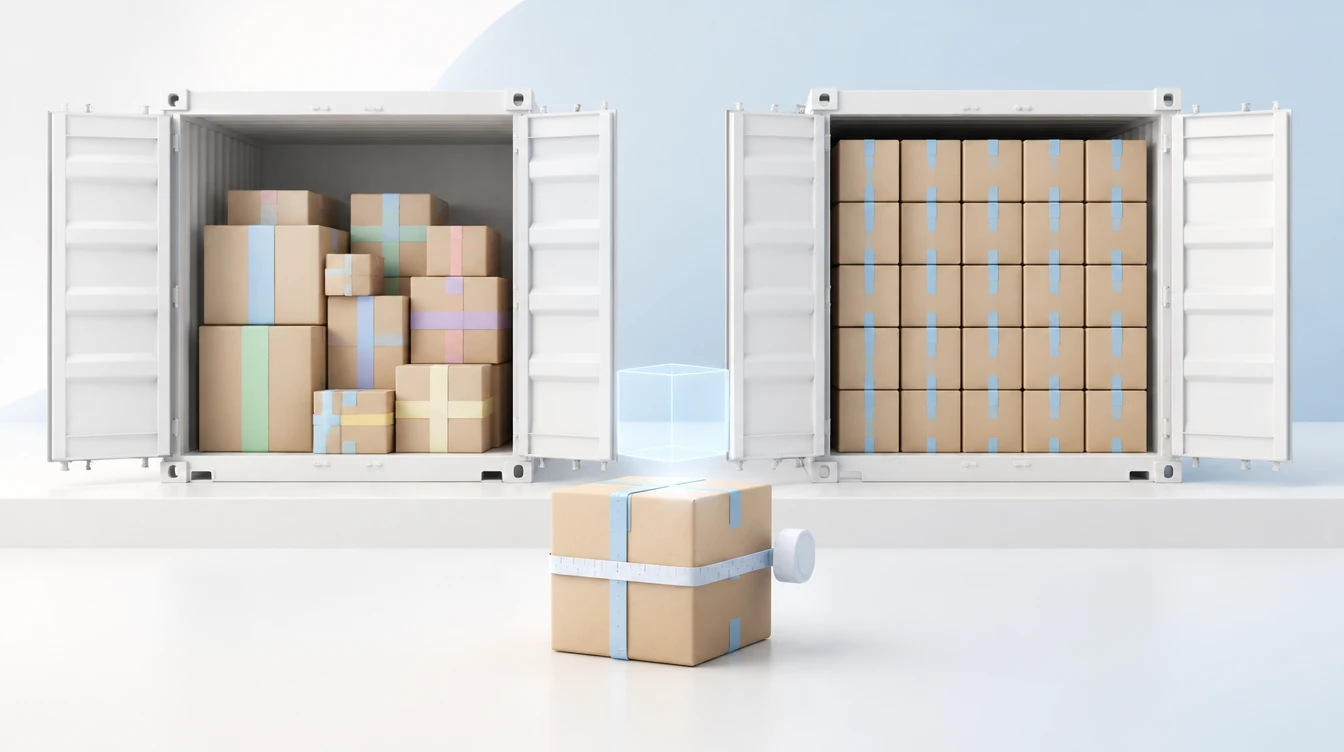
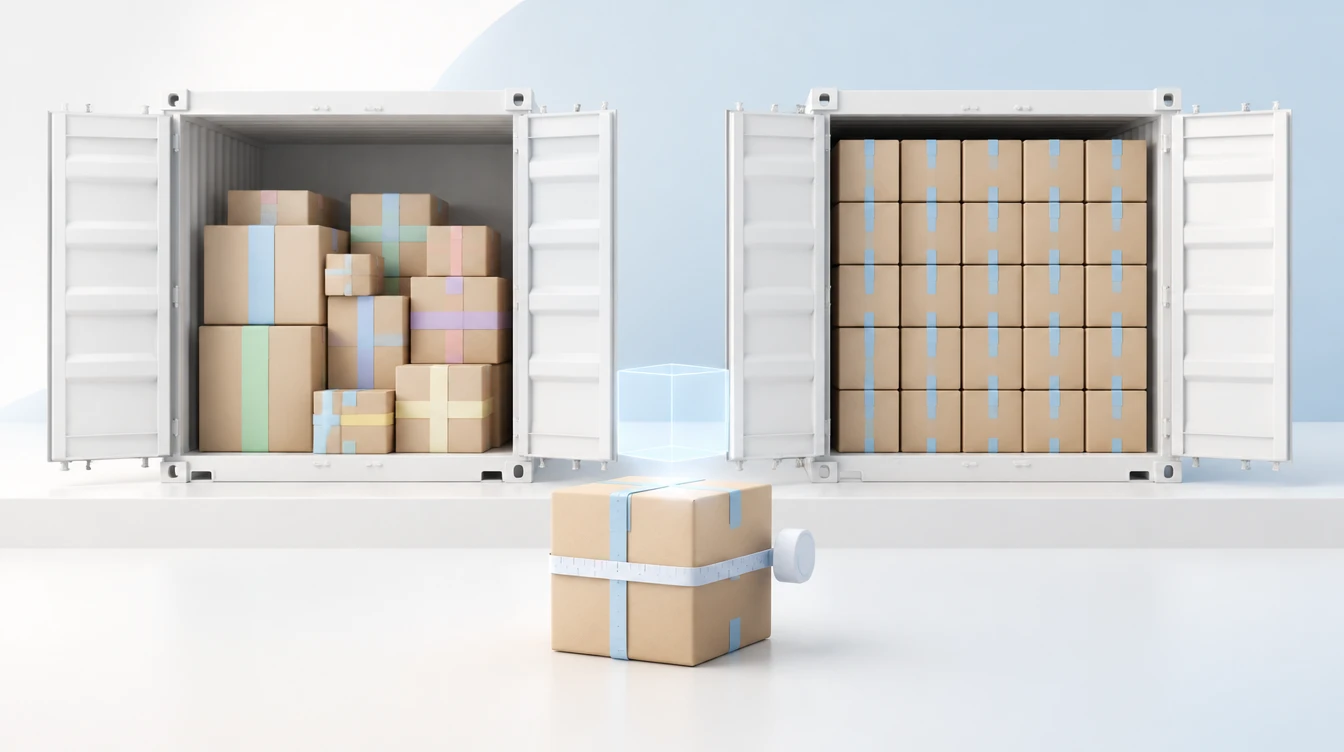
CBM means cubic metres. Multiply each carton's length × width × height in metres, then multiply by the number of cartons. Sea LCL (less than container load) is usually charged on whichever is greater, cubic metres or tonnes, while FCL (full container load) is a flat price for the whole container whatever is inside.
This guide is for buyers anywhere in the world shipping goods from China by sea. Last updated: November 2026.
How do you calculate CBM?
CBM = length (m) × width (m) × height (m) × number of cartons.
Example: cartons measuring 60 × 40 × 50 cm, weighing 15 kg each, 50 cartons in total.
One carton: 0.6 × 0.4 × 0.5 = 0.12 m³.
The shipment: 0.12 × 50 = 6 m³.
Total weight: 15 × 50 = 750 kg, or 0.75 tonnes.
Use the outer carton dimensions from the supplier's packing list, not the product size.
How is LCL freight charged?
Most LCL ocean freight is charged on the higher of 1 cubic metre or 1,000 kg, known as weight or measure (W/M). In the example, 6 m³ beats 0.75 tonnes, so the shipment is charged on 6 units of volume. Dense goods such as metal parts can flip that, making weight the deciding figure. Minimum charges and local fees vary by forwarder, so always ask for an all-in quote.
Container sizes at a glance
Nominal figures for general purpose containers, from Hapag-Lloyd's container specification:
Container | Inside length (m) | Width (m) | Height (m) | Capacity (m³) | Max payload (kg) |
|---|---|---|---|---|---|
20ft | 5.90 | 2.35 | 2.39 | 33.2 | 30,200 |
40ft | 12.03 | 2.35 | 2.40 | 67.7 | 28,800 |
40ft High Cube | 12.03 | 2.34 | 2.70 | 76.3 | 28,650 |
You will not load the full capacity: gaps between cartons and space above the stack reduce usable volume. Ask your forwarder for a load plan.
LCL or FCL?
Factor | LCL | FCL |
|---|---|---|
Volume | Small to medium | Close to a container's capacity |
Pricing | Per m³ or tonne | Flat rate per container |
Transit | Usually longer, with consolidation and deconsolidation at warehouses | Factory to port directly |
Handling | Loaded and unloaded more than once | Sealed at the factory, opened at destination |
Rule of thumb: get two quotes for the same cargo, one LCL and one 20ft FCL, and compare the full door-to-door cost. The larger the volume, the closer FCL comes to being the cheaper option.
Common mistakes
Using product dimensions instead of carton dimensions.
Forgetting pallets, which add height and footprint.
Mixing centimetres and metres.
Ignoring weight for heavy goods, which can set the price or hit the container's payload limit first.
FAQ
Am I charged by volume or weight in LCL?
Usually by the greater of the two, with 1 m³ treated as equal to 1,000 kg.
What is the difference between a 40ft and a 40ft High Cube?
The High Cube is about 30 cm taller inside, giving 76.3 m³ against 67.7 m³. It suits light, bulky goods.
Request a shipment
Get a packing list with carton sizes and weights from your supplier, then request a shipment with EcoSail. For more on container types, read choosing the right container when shipping from China.
This article is general guidance. Container dimensions and pricing rules vary slightly by carrier, so confirm with your forwarder before booking.
Related Articles
Importing Cars from China: Export Rules, Documents and Shipping
A practical guide to buying cars in China and shipping them abroad: EV export licences, standards, d...
Importing from China to Saudi Arabia: SABER and Customs Guide
A practical guide for importers and exporters shipping Chinese goods to Saudi Arabia: SABER certific...


Canton Fair for International Buyers: Phases, Invitation Letter and Prep
A practical guide to the autumn 2026 Canton Fair: which phase to attend, how to register as a buyer,...